


You may be no stranger to the hydraulic cylinder seal, one of the parts of a hydraulic system in daily use. It can control and maintain the pressure and flow of hydraulic fluid, without which the hydraulic system can not work properly. In this article, I will give you a detailed introduction based on their functions, types, and materials.
1. What is the Hydraulic Cylinder Seal?
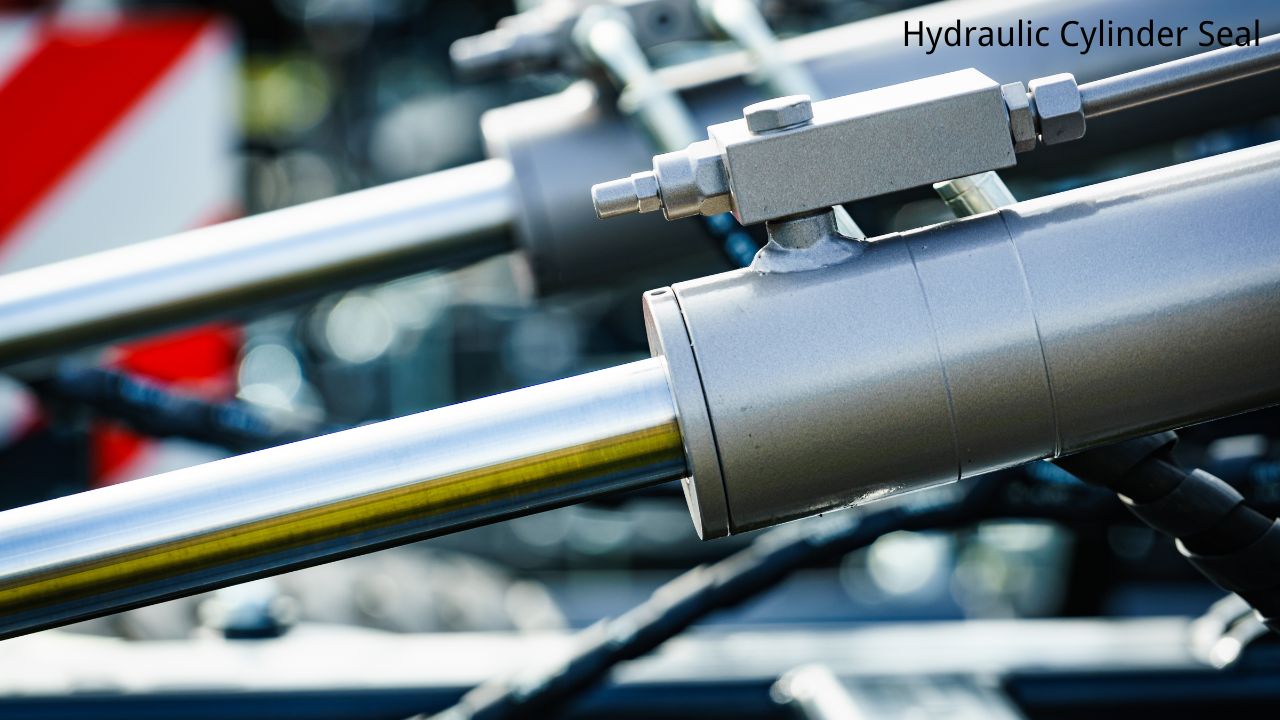
By definition, a hydraulic cylinder seal is a medium or element that prevents hydraulic components from leaking and protects the system from dust and dirt. Generally located in hydraulic cylinders in the piston and piston rod, and other positions.
2. How Does a Hydraulic Cylinder Seal Work?
In other words, the hydraulic cylinder seal is a barrier between the different parts of the hydraulic cylinder, so that the hydraulic oil, in the absence of leakage the case smooth operation and maintains its pressure, but also prevents the leakage of media during the operation of the work of the media leakage or even in turn damage to the interior of your machine.
3. The Functions Of The Hydraulic Cylinder Seals

Do you want to know the specific functions of the hydraulic seals? Well, I will introduce them below.
3.1. Prevent the Contamination
Since hydraulic seals are made for fluid to provide a tight seal in the hydraulic cylinders, they act as a wall to keep dirt out of your equipment, and can avoid contaminating the hydraulic fluid, too.
3.2. Maintain Pressure and Keep the Blowout from Happening
Hydraulic cylinder seals create a cushion around the piston rod to maintain fluid pressure and can reduce friction on equipment components, preventing leaks and oil sprays. Typically, seals are made of a unique material that resists the abrasion of hydraulic fluid and has a lip that creates a reliable seal around the piston rod.
3.3. Safe and Waterproof
Hydraulic seals are often made from materials that are waterproof, chemically resistant, and abrasion-resistant, and are also safe for use in a variety of industries, such as pharmaceutical and chemical production.
4. The Main Types of Hydraulic Seals
Types Divided by the Application Characteristics

We divide the types depending on applications, and seals are classified into two: static seals and dynamic seals. Both of them have their unique features and are suitable for different occasions, which will be introduced in turn are there.
4.1. Static Seals
These are used where there is no relative movement between surfaces. There are three kinds: a shaft seal at low limits of pressure, flange mountain-type gasket, and simply to stop something moving that shouldn’t move– balances are gathered by it.
The circling static seal, along with its simple geometry and wide applications, has a very easy installation. It is therefore popular as a type of static seal.
In addition to these static seals, washers are also steel washers and metal seals. Sealing Washers are usually flat and round. To Metal seals, by contrast, are often used in high-temperature, high-pressure environments. They are generally made from aluminum, copper, or steel and, as a result, have excellent resistance to extreme conditions overall.
4.2. Dynamic Seals
Dynamic seals are used in hydraulic cylinder parts where there is relative motion, such as piston and rotary seals. These seals are subjected to constant motion and friction and, therefore, typically require higher durability and wear resistance than static seals. Next, I will introduce you to the main types of dynamic seals.
Types Divided by the Different Shapes
4.3. O-Ring Seals
O-rings are a type that we see almost all the time; they are often made of synthetic rubber with some elasticity, and the shape is plain and easy to install. They can be used for sealing both static and dynamic.
4.4. V-Ring Seals
Unlike the O-ring, this type of seal has a cross-section similar to the letter “V”. The shape of the ends can be combined with different dimensions, making it more flexible for you to install and adapt to different machines.
4.5. U Type Packing Seals
The U-Packing seals are the most universal in use, can be used in a wide variety of applications. They can be used as either positive seals or back-up rings on ID and OD pistons.
The U-type seal has both supply and suction sides for the transfer of fluids. With a rectangular cross-sectional shape, it is particularly good for piston sealing. It also tends to have the best wearing resistance among the seals that are manufactured entirely from our Parker Homogeneous Urethane.
4.6. T-Ring Seals
T-shaped seals usually have a tapered sidewall design that better minimizes friction and wear, and provides better resistance to extrusion than the O-rings。
5. Materials of Hydraulic Cylinder Seals

You need to choose the right seals, which determine the quality and longevity of all internal rod seals. So let’s me introduce the materials always used to you in the following.
5.1. PTFE
PTFE is extremely durable regardless of the extreme temperatures, pressures and aggressive chemical environments. With a lower coefficient of friction than other seals, PTFE requires less lubricant and remains effective even in dry conditions.
5.2. Rubber
Nitrile rubber (NBR), fluoroelastomer (FKM) and hydrogenated nitrile rubber (HNBR) are three types of rubber that work well as seals for their resistance to grease, mineral oil and other hydraulic fluids. Hydraulic rubber seals are used in all sorts of applications where high extension and compression are needed.
5.3. Rigid Plastics
Plastic hydraulic cylinder seals withstand high temperature and pressure, and are not affected by chemicals. Use of engineering materials instead of common plastics can greatly improve the strength of sealing at this point. Unlike a rubber or PTFE seal, a plastic seal can also be made to support more power to the hydraulic cylinder.
5.4. TPE
TPE ’s excellent durability and flexibility make it a good choice for hydraulic cylinder seals. It is highly abrasion and tear resistant and can maintain constant pressure over long periods of time, combining the properties of plastics and rubber, making them perfect for situations in which parts receive hard, prolonged use.
Conclusion

There are many types of hydraulic seals, so you need to make a careful selection to ensure that you find the most suitable seal for your equipment, and also to extend the life of the hydraulic cylinder, I hope this article will help you.
FAQ:
- What will Happen if There is an Oil Leak?
Well you are likely to know that during the work of the hydraulic cylinder, pressurized oil moves through each hydraulic circuit. And due to the nature of the oil, it is at risk of leaking at any time, and what will happen when it leaks? Here are some of the troubles that can happen.
- Reduced Efficiency of Hydraulic Circuits
During a leak, there are oil that flow out without doing any work, and there is no doubt that this is a power loss and a waste.
- Causing Fire
Oil is known to be a flammable liquid, and if it drips on a hot surface or comes into contact with an fire source, it is highly likely to cause a fire and pose a hazard.
- Making Floors Slippery and Causing Accidents
Leaking oil dripping on the floor can make the ground slippery, and if you walk in such conditions it can be equally dangerous.
- Economic Loss
Hydraulic oil is usually very expensive and such a loss is also an economic damage for you.


