


The spool center determines how oil flows when the valve is in the neutral position, which directly affects load holding, energy efficiency, and component lifespan. For hydraulic equipment manufacturers or system integrators, understanding different spool center configurations is essential. This article will tell you the knowledge about them.
What is Hydraulic Valve Spool ?
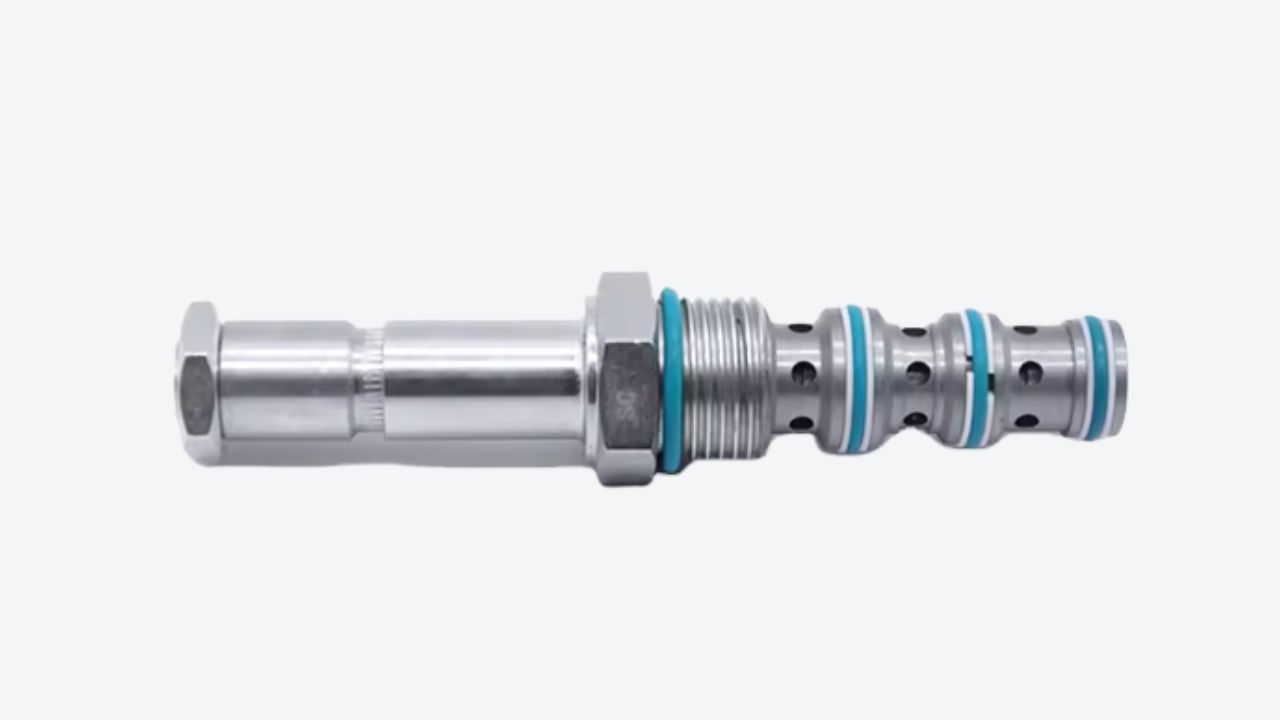
The hydraulic valve spool is a critical control element within a hydraulic valve. It functions as a movable cylinder within the valve body. By moving forward, backward, up or down, it alters the flow path of hydraulic fluid. The spool functions like a switch. It determines whether fluid enters the actuator, returns to the reservoir, or remains within a specific circuit. Its position directly dictates the operational state of the hydraulic system. When the spool is centered, the fluid passages assume different configurations based on the spool’s design. This influences whether the system maintains pressure, unloads, or allows the load to move freely.
Why Necessary to Understand its center position?
Ensuring Equipment Safety and Stability
Understanding the center position of hydraulic spools is essential. If you don’t have a clear understanding of the center position, serious issues may arise during actual operation. For instance, if the spool fails to properly lock the actuator, the load may unexpectedly slip. This significantly increases safety risks. Under improper fluid flow conditions, system temperatures can easily rise. Prolonged operation may also cause the hydraulic pump to remain under sustained high pressure. This accelerates wear and shortens service life. Selecting the appropriate spool center position effectively prevents safety incidents caused by misuse.
Matching Different Applications
Different industries have varying demands for spool center functions. For example, construction machinery focuses more on load holding. Industrial equipment emphasizes smoother motion. If the spool center function does not match the working conditions, it often leads to lower efficiency or system instability. Correctly matching the application scenario helps customers obtain components that best fit their needs. It also ensures that the hydraulic system maintains optimal performance and safety.
Optimize Energy Consumption and Efficiency

In a hydraulic system, different center positions directly affect both energy consumption and overall efficiency. Only by fully understanding these differences can you make the right selection during using. If energy saving is the top priority, an open center configuration is usually preferred, as it reduces the continuous high-pressure load on the pump, thereby lowering energy loss. For applications that demand fast response, a closed center design is more advantageous, ensuring the system is always ready to react instantly. By choosing the proper spool center type, you can avoid efficiency losses and achieve the best balance between energy consumption and performance.
Understanding Hydraulic System Behavior at Rest
The spool center position determines the state of the hydraulic oil when the valve is not being operated. Different center functions cause the system to behave differently when at rest. It can be in a load-relief, closed, or free-flow condition. For example, in a load-relief state, the pump’s pressure burden is reduced. In a closed state, the load position is maintained. Free-flow allows the system to dissipate heat and release energy. By understanding and mastering these differences, users can anticipate how the system will behave at rest, thereby ensuring better operational efficiency.
Common Types of Spool Center Positions

Open Center Spool
The open center spool is characterized by allowing hydraulic oil to flow directly back to the tank when in the neutral position. The system builds almost no pressure, and the hydraulic pump remains in a load-relief state. This design is commonly used in open hydraulic systems or low-cost applications. It prevents pressure buildup when actuators are not engaged, saving energy and reducing system load.
However, while the open center design is energy-efficient, improper flow management may cause heat to accumulate in the oil, affecting system cooling. You need to properly configure the pump and oil circuit according to the actual working conditions to fully utilize its energy-saving advantages while avoiding overheating issues.
Closed Center Spool

The closed center spool is characterized by all flow paths being sealed when in the neutral position. The hydraulic pump continues to maintain system pressure. This design can drive multiple circuits at the same time. It provides fast response. It is very suitable for pressure-compensated hydraulic systems, industrial equipment, or applications where actuator position must be maintained. The closed center spool allows the pump to maintain pressure even when unloaded. It does not require continuous fluid circulation, which helps reduce energy waste.
However, since the system maintains pressure when in neutral, it requires a variable displacement pump or a pressure relief valve to manage pressure buildup. This prevents pump and line overload. With proper pump and valve configuration, the system can run efficiently while balancing quick response and safety.
Tandem Center Spool
The tandem center spool configuration is defined by its ability to unload the hydraulic pump while locking the actuator in place when the valve is in the center position. This makes it particularly suitable for systems using fixed displacement pumps. Commonly found in mobile and industrial equipment—especially in construction machinery that must hold loads—this design significantly improves energy efficiency by allowing the pump to operate without load, thereby reducing power consumption and heat generation.
Float Center Spool
The float center spool’s defining characteristic in the center position is that it connects all actuator ports directly to the reservoir. This allows the hydraulic actuators to “free float,” meaning they can move freely without being hydraulically locked. This design is ideal for applications requiring free actuator movement, such as in agricultural machinery where an implement needs to follow the ground contour. This action reduces pressure on hydraulic components. However, a key limitation is its lack of load-holding capability in the center position.
How to Choose the Right Spool Center Position?

Considering System Type
When selecting the center function of a hydraulic valve spool, the type of system is the primary factor to consider. If your hydraulic system uses an open loop, the Open Center Spool or Tandem Center Spool is usually preferred. These options allow the pump to unload in the neutral position, reducing energy consumption, and are well suited for systems with fixed-displacement pumps. For closed loop systems, or applications that require system pressure to be maintained in the neutral position, the Closed Center Spool is a better choice. It ensures that actuators hold their position while also supporting the simultaneous operation of multiple circuits.
Select Based on Load Requirements
When selecting a hydraulic valve spool’s center position function, you must consider the load requirements of the system in the center position. If the application requires maintaining the actuator’s position when the valve is not operated, a closed center spool is more suitable. They seal the oil flow in the center position, preventing the load from sliding. If the load can float freely or release slowly in the neutral position, such as in some agricultural machinery or systems with high heat dissipation requirements, an open center spool can be selected. This allows the oil to flow back freely, reducing pump pressure and improving heat dissipation efficiency.
Considering Energy Saving Needs
If your system is designed to unload the pump when the valve is in the neutral position, in order to avoid the hydraulic pump remaining under high pressure for long periods and to reduce energy consumption, then it is more suitable to choose an Open Center or Tandem Center spool design. These configurations allow hydraulic fluid to flow back to the tank when the valve is neutral, enabling the pump to run unloaded and minimizing unnecessary energy loss.
However, if the application requires maintaining system pressure and ensuring quick response rather than simply prioritizing energy efficiency, you should consider a Closed Center spool. This design allows the system to maintain pressure while the valve is in the neutral position, keeping actuators in place and enabling multiple circuits to be driven at any time.
Conclusion

This article has walked you through the different hydraulic valve spool center configurations. We also provided practical guidance on how to select the right spool based on your system type, load requirements, and energy-saving needs. By understanding these options, you will be better equipped to choose the configuration that ensures efficiency, reliability, and performance for your hydraulic system. If you want to know more, please contact us.
FAQ:
Does the center position affect energy consumption?
Yes. The center position of a hydraulic valve spool directly affects the system’s energy consumption. In an open center position. Oil returns directly to the tank when in the center position. System pressure does not build up. This results in better energy savings. Closed center position closes all ports when in the center position. The pump must maintain system pressure. This leads to relatively higher energy consumption. Therefore, it’s important to understand and select the appropriate valve spool center position. Meeting different energy consumption requirements.
Do different industries prefer different center positions?
Construction machinery such as excavators and loaders. They often use open or tandem centers. This reduces energy consumption. Keeps the system cool during idle periods. Industrial equipment prefers closed centers. This allows the load to be locked in the center position. Ensuring positioning accuracy and safety. Agricultural machinery or mobile equipment often uses tandem or floating centers. This balances energy efficiency and operational flexibility. Industries with extremely high safety and reliability requirements. Such as aviation and medical equipment. Closed centers are a common choice.
What happens if I choose the wrong center position?
If you select the spool center position incorrectly, it will lead to an undesirable sequence of events. Under emergency situations, the spool cannot function to lock the actuator properly. This will result in load shedding or position error. Operation may overheat devices when oil flow is not stable. In addition, the service life of a hydraulic pump may be reduced because it frequently operates in adverse states. The equipment’s total efficiency also will be compromised.


