


The function of an oil filter is to capture moisture and contaminants in the oil stream, maintaining system cleanliness and stability. Selecting the correct filter can actually restrict failure rates and extend equipment life. Below, I will briefly outline a number of popular filter types and uses to help you quickly decide the best fit.
What Are the Classifications of Oil Filters?

Oil filters are diverse, and you may be overwhelmed while choosing the right one. In reality, they can be divided from various angles: their mounting style, location in the circuit, structural shape, and other auxiliary functions.
Then, individually, I will list typical filter types to make you better known with their characteristics and functionality so that you can make an easier choice for the right filter for your system.
1. By Mounting Method
While choosing oil filter, different mounting positions directly influence initial cost, convenience in maintenance, and future application. Typical models are inline and canister filters. Even though they might resemble each other, each one has varying strengths and weaknesses in real applications.
Inline Filters
If your only concern is the initial cost of money, in-line filters are an option. They provide lower costs but might take more labor for installation and maintenance and are thus more suitable for limited budgets or simpler usage needs.
Canister Filters
Canister filters have a larger initial investment than inline filters, but their ease of installation and maintenance allow lower overall operating expenses over the long run, making them more appropriate for prolonged use.
2. By Circuit Position

In a hydraulic system, you will find that different filter locations protect different components. Examples of typical ones include suction filters, pressure filters, and return filters.
Suction Filter
Placed between the reservoir and the hydraulic pump, it is the pump’s “first line of defense.” It traps large contaminants before fluid reaches hydraulic pump, thereby preventing pump body from damage or premature wear. This action is significant in terms of extending pump life.
Pressure Filter
Placed on the line between actuators and the pump outlet, this filter personally guards the system’s most delicate components. Depending on operating conditions, you may utilize:
- Low-Pressure Filter: Typically seen in return lines or tank breather vents, it filters out contaminants constantly under low pressure to maintain hydraulic fluidcleanliness and avoid hydraulic valve wear down.
- High-Pressure Filter: Installed in high-pressure lines, it traps micro-fine particles in tens of megapascals of pressure, protecting high-accuracy components like servo valves and proportional valves. It is an essential element of high-accuracy control systems.
Return Line Filter
It is installed in the return line and filters oil returning to the reservoir, trapping contaminants developed during operation to prevent them from entering the circuit again. This keeps your hydraulic system clean at all times.
3. By Structural Type

Structurally, filters are classified into rotary and cartridge types. Being well-structured has significantly impact on maintenance ease and operation cost. In the following, I will give the characteristics of each type of filter so as to understand their respective correct applications.
Rotary Filters
Rotary filters offer minimal installation space and are simple to install. Maintenance merely involves unscrewing the entire filter for replacement, without dismantling complex piping. This is a useful method of reducing maintenance complexity and is suited to applications requiring speedy element replacement.
Cartridge Filters
Unlike rotary filters, cartridge filters have replaceable elements within a reusable housing. If minimizing waste or lowering long-term maintenance costs is your top priority, cartridge filters offer a cleaner and less expensive solution. They offer reliable filtration and consistent system performance without creating waste.
4. Auxiliary Functions

Aside from the normal oil filters being used on a daily basis, there are also those that come with added functions. You might not think much about them daily, but when specific needs arise, they can prove quite useful.
Air-Tank Filter
If your system is to be operated in oil stability during startup or during load changes, an air-tank filter can accomplish this. Not only do they filter impurities from the oil, but they also possess an integral reservoir capacity. This leads to smoother system operation with less frequent maintenance.
Offline Filters
Even when your main hydraulic system is currently in a dormant status, offline filters run independently to continuously circulate oil filtering out particles and debris. To you, this extends oil life, protects critical components, and gives long-term system reliability.
What Is the Function of the Oil Filter?

In operation, your hydraulic fluid is under compression all the time and can inhale dust, moisture, or air. They will destroy sensitive components such as hydraulic cylinders and valves and lead to oil emulsification and system compromise.
Filters are designed to solve these issues. By having the proper kind of filters installed at certain points throughout the system, you can remove contaminants from the oil timely and maintain it clean. This helps extend the life of actuators and ensures long-term, trouble-free system operation.
How to Choose the Right Oil Filter?
When choosing a filter, you will be faced with many models and specifications, not knowing which to pick. In fact, by keeping several important points in mind, you can easily spot the correct one for your system.
Diameter
Don’t overlook filter size. If the diameter is too small, there is excessive pressure drop in oil flow that can cause the oil circuit to bypass the filter element completely, thus dirt is not trapped at all. So, check first that the diameter of your filter equals your system flow rate.
Filter Element Material
Material significantly influences filtration effectiveness and lifespan. Cellulose is cheap and acceptable but of medium lifespan; microglass possesses greater accuracy and longevity; synthetic membranes are usually used in high-demand applications, offering tight cleanliness control. Consider: how clean your system needs to be, and whether your budget can support it.
System Compatibility
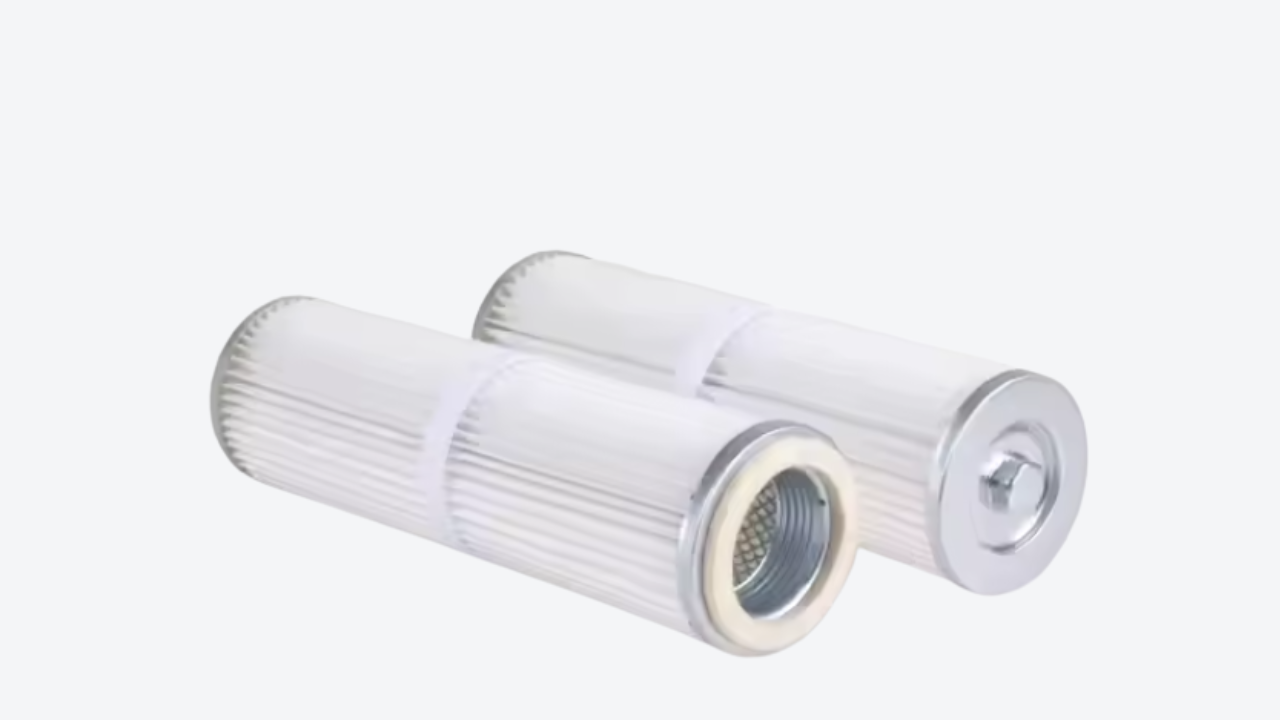
Not all filters will be suitable for your system. Differences in design between models and brands can cause installation issues or system shutdowns upon operation. Refer to your equipment manual or an engineer prior to ordering to ensure compatibility.
Filtration Precision
If your system has precision components such as servo valves or proportional valves, employ low-precision filter elements with caution. Particle intrusion may clog valve spools, which could disable the entire system.
Structure and Durability
Some of the filters are metal end caps, backflow prevention valves, and other designs that introduce extra stability and durability when subjected to heavy loads. If your equipment is running continuously, selecting such heavy-duty units gives you more peace of mind.
Fluid Compatibility
Different fluids impose different requirements on filter elements. Synthetic oils, for instance, are not appropriate for all filters. Always ensure that the filter you choose is compatible with the fluid in service.
Cost and Maintenance
Cheaper filters may save money initially, but replacement costs at high frequencies and downtime expenses can prove to be more expensive in the long run than purchasing a good filter. A premium filter is typically the better cost investment if reliability is most important.
FAQ
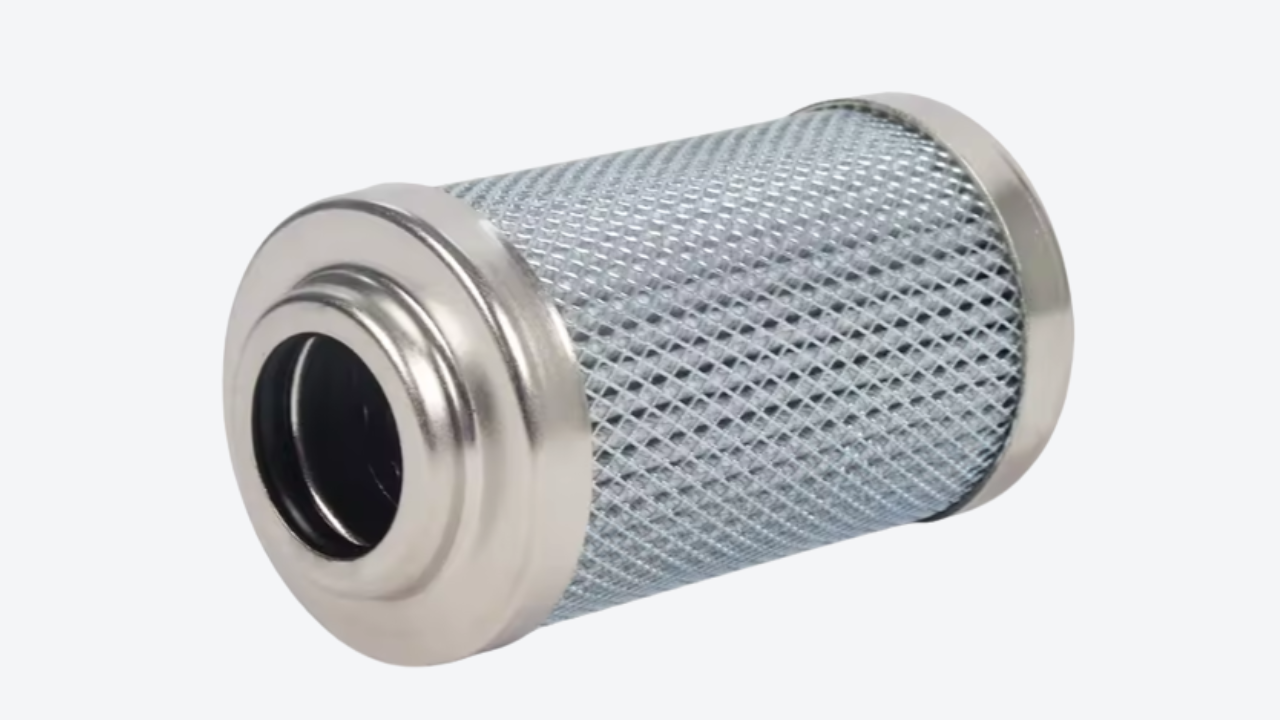
How do I select filters to protect precision valves?
High-pressure filters are a vital selection, able to catch tiny particles to protect precision actuators and valves. In addition, guarantee filter element accuracy and flow rate compatibility to ensure system responsiveness.
My hydraulic system keeps shutting down. What filter is best for me?
Consider installing an air-tank filter with an offline filter. The air-tank filter protects the reservoir from large particles, and the offline filter cleans during downtime in the system to maintain fluid cleanliness for reliable, consistent startup performance.
I work on auto maintenance. What oil filter do I use?
We recommend small, uncomplicated rotoary replaceable filters or high-efficiency element oil filters. This allows for rapid element replacement during the planned maintenance, minimizing downtime while ensuring clean engine oil.
Why is there still noise in the system after the new filter is replaced?
It is not always the result of the filter. It can also be caused by old oil, air in the system, or worn-out seals. Check the oil, the filter, and the seals first. Changing the filter alone without knowing the cause normally results in ongoing noise. Don’t ever hesitate to contact our team anytime if you have no idea where the problem lies, and we’ll do the proper troubleshooting for you.
Is the hydraulic valve sticking consistently because it does not have the right filter chosen?
It’s possible—the filter is very frequently a make-or-break factor. Valve sticking usually occurs when dirt in the oil is not caught, so dirt flows in through the valve spool and prevents it from moving. That happens when the accuracy of the filter is not sufficient or its mounting point is not appropriate.
Of course, don’t focus solely on the filter. At times, the oil is aged, or the valve spool itself has worn out. I would recommend having a look at the filter, the oil, and the valve spool to properly isolate the cause.
Conclusion

There are numerous types of oil filters, and each is employed for a specific purpose. If the wrong type is selected, impurities cannot be sieved out effectively, and this may lead to system jamming or even malfunction in the long term. Therefore, it is necessary that filter elements be selected based on your specific system requirements.


